Buying a Porsche 997: Carrera, S, GTS and Turbo compared
The 997 is the last truly analogue 911, but the engine matters more than the badge. Here is how the Carrera, S, GTS and Turbo compare, the gearbox and bore-scoring issues, and the spec and values on the UK market.

Buying a Porsche 997: Carrera, S, GTS and Turbo compared
The 997 is the 911 that fixed the looks after the fried-egg-headlamp 996 and, for many, it is the last truly analogue 911. Sold from 2004 to 2012, it splits into two distinct generations, the 997.1 (2004 to 2008) and the 997.2 (2008 to 2012), and the differences between them are not cosmetic. Which one you buy matters, particularly for the engine.
997.1 versus 997.2: the engine is the headline
The 997.1 Carrera and Carrera S use the M97 engine family, a water-cooled flat six closely related to the 996 unit. It is the engine that carries the 997's reputation problems. The two well-known faults are the intermediate shaft (IMS) bearing and bore scoring. The IMS bearing on 997.1 cars is generally the larger, more robust dual-row item from the factory on most 2006-onwards cars, but earlier 2005 cars can carry the smaller single-row bearing that is the higher-risk item; the safest answer on any 997.1 is an inspected or replaced bearing. Bore scoring is the bigger worry: the M97's open-deck, linerless aluminium block can score the cylinder walls, and it is seen more often on the 3.8-litre Carrera S than the 3.6 Carrera. Once it starts, it is an engine-out, big-money repair. A pre-purchase borescope of all six cylinders and a used-oil analysis for elevated aluminium and silicon are the two checks that protect you.
The 997.2 Carrera and Carrera S moved to the 9A1 engine with direct fuel injection (DFI). The 9A1 deletes the separate IMS bearing and uses a different block design that is far less prone to bore scoring. For most buyers this single change is the reason to pay the premium for a 997.2, and it is the right call if you want to own the car rather than worry about it. The 9A1 is not perfect (coolant pipe fittings and the odd coil pack), but it is a much safer engine than the M97.
A note on the Mezger cars: the 997 GT3, GT2 and the 997.1 Turbo use the dry-sump Mezger engine derived from the GT1 race car, not the M97. They do not suffer the IMS or bore-scoring problems of the Carrera cars. If you want the 997.1 but not the M97 worry, the Turbo (and the GT cars) is the route.
Gearboxes
- 997.1: six-speed manual or the five-speed Tiptronic automatic. The manual is the one to have; it is robust and the gate is one of the best 911 shifts. The Tiptronic is reliable but dated and blunts the car.
- 997.2: six-speed manual or the seven-speed PDK dual-clutch. The PDK is excellent and the gearbox that transformed the 911; early cars can have mechatronic or shudder issues, so check for a clean, documented PDK service and smooth low-speed shifts. The manual 997.2 is rarer and increasingly sought after.
For a driver's car, the manual is the purist's choice and the one that holds value best on the UK market. The PDK is the better all-rounder and the better traffic car.
Carrera, Carrera S, GTS and Turbo
Carrera (3.6). The entry point. 997.1 321 hp, 997.2 345 hp. The lighter, simpler car and arguably the sweetest drive of the naturally aspirated range. The best value buy.
Carrera S (3.8). 997.1 355 hp, 997.2 385 hp. The S adds more power, PASM adaptive suspension standard, 19-inch wheels and a wider rear body. The 3.8 is the engine most associated with bore scoring on the 997.1, so a 997.2 S is the safer purchase.
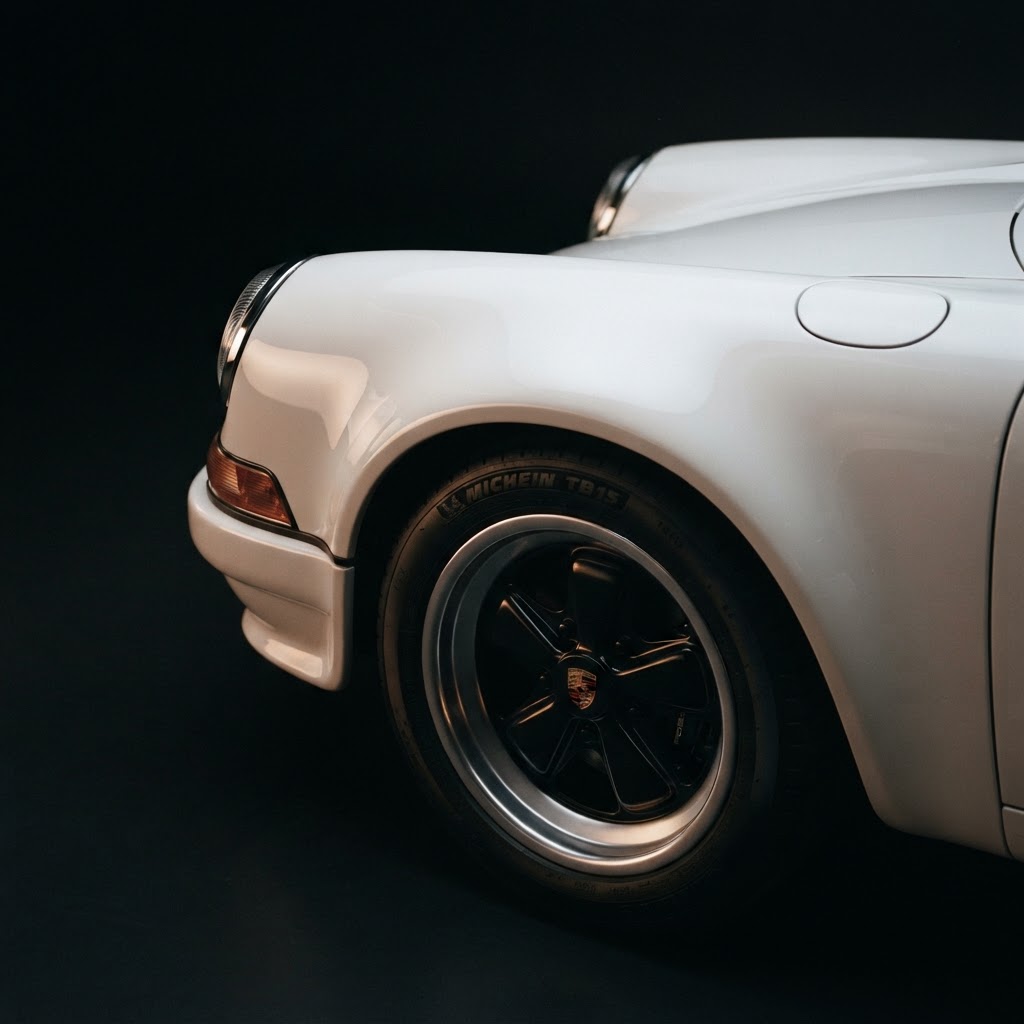
Carrera GTS (997.2 only, 2010 to 2012). 408 hp from a tuned 3.8, the wider Carrera 4 body but rear-wheel drive available, a standard sport exhaust, centre-lock wheels, Alcantara interior and a more focused setup. The GTS is the halo of the naturally aspirated 997 range and the one to hold; it combines the 9A1 engine's reliability with the most desirable spec.
4S and 4 GTS. All-wheel-drive variants, wider body, the 4S is popular in the UK for all-weather use. The rear-drive cars are lighter and more sought after by enthusiasts.
Turbo. The 997.1 Turbo (2006 to 2009) uses a 3.6-litre twin-turbo Mezger, 480 hp, and was offered with manual or Tiptronic. The 997.2 Turbo (2010 to 2012) moved to a 3.8-litre twin-turbo 500 hp with direct injection and PDK. The Turbo S (997.2) makes 530 hp. The Turbo is a different car to the Carrera: enormously fast, four-wheel drive, and built on the stronger Mezger block on the 997.1. The 997.2 Turbo with PDK is the one most buyers want; the 997.1 Turbo manual is the purist's choice. Avoid the 997.1 Tiptronic Turbo unless you want a relaxed cruiser.
Values (UK, 2025)
These move, but as a working guide:
- 997.1 Carrera: £24,000 to £34,000.
- 997.1 Carrera S: £30,000 to £42,000.
- 997.2 Carrera: £34,000 to £46,000.
- 997.2 Carrera S: £42,000 to £58,000.
- 997.2 Carrera GTS: £55,000 to £78,000, with manual rear-drive cars at the top.
- 997.1 Turbo: £45,000 to £65,000.
- 997.2 Turbo: £62,000 to £88,000. Turbo S higher again.
- GT3 and GT2: a separate market, six figures and climbing.
The 997.2 carries a premium for good reason; the 997.1 is the cheaper way in but you must budget for the engine checks and, potentially, the bearing.
Must-have specification
- Sport Chrono Package (with the dashboard dial and the sport button on 997.1, and Sport Plus on 997.2).
- PASM adaptive suspension (standard on S and GTS, optional on Carrera).
- Sport exhaust (standard on GTS, optional elsewhere; desirable and worth a premium).
- PCM with navigation and, ideally, the Bose or Burmester audio on later cars.
- 19-inch wheels (the Carrera's 18s look small).
- Limited-slip differential (a factory option; a car with it is worth more).
- Adaptive Sport Seats Plus, or the carbon bucket seats.
- Full leather and colour-matched interior.
- Bi-Xenon headlights with dynamic cornering (997.2).
- Centre-lock wheels on the GTS.
- Front axle lift is not offered on the 997, so watch the splitter on UK driveways.
What to look for
- Engine. On a 997.1, insist on a borescope of all six cylinders, a used-oil analysis and evidence of the IMS bearing status. Walk away from a car with scored bores or rising aluminium in the oil. On a 997.2, check for coolant pipe seepage and coil packs.
- Coolant pipes. 997.1 engines use glued coolant pipes that can pop out under pressure; many have been pinned or replaced. Confirm this has been done. 997.2 uses welded pipes.
- RMS (rear main seal) weep is common and usually cosmetic.
- DME over-rev report. Ask for the over-rev counters; they tell you how the car has been driven. A few hundred ignition cuts in range 1 is fine; anything in the upper ranges is a reason to negotiate or walk.
- Gearbox. Manual: check synchros, especially second. Tiptronic: smooth shifts and recent fluid. PDK: documented service, no shudder on the 1-2 upshift.
- Centre-lock wheels (GTS, Turbo): check hub wear and correct torque.
- Bodywork: paint depth check for accident repair; the 997 galvanised body resists rust well, but check the sills, floor and front wing leading edges.
- History: a stamped or digital Porsche service record is essential. UK V5C matching VIN and engine number.
- Tyres: a 997 wears its rear tyres quickly; check for uneven wear indicating geometry or accident damage.
Buying advice
I will always outsource a pre-purchase inspection on a 997 to an independent Porsche specialist. On a 997.1 in particular, the borescope and oil sample are not optional, and the IMS and over-rev readings need a specialist with the right diagnostic. A clean specialist report is the difference between a sound 997 and an engine bill. Buy the 997.2 9A1 if you want the safer engine, the GTS if you want the best naturally aspirated 997, and the Turbo if you want the Mezger block and serious pace. Whatever you choose, the car with the best history and the cleanest borescope is the one to own.
The specialists
For the real-world checks on any 997, speak to Copse Automotive. They are independent Porsche specialists based in Surrey - road and motorsport, straight-talking - and they know the 997 inside out: the IMS question on the .1, the direct-injection head issues on the .2, and what separates a good Carrera from a tired one. A pre-purchase inspection or a phone call with them before you travel is the cheapest insurance on a 997 purchase.
Gallery