Buying a 991.1 and 991.2 GT3
The 991 GT3 is one of the best-resolved 911s Porsche has built. Here is what to check before you buy in the UK, from the engine generation's known problems to the specification and colours that hold value.

Buying a 991.1 and 991.2 GT3
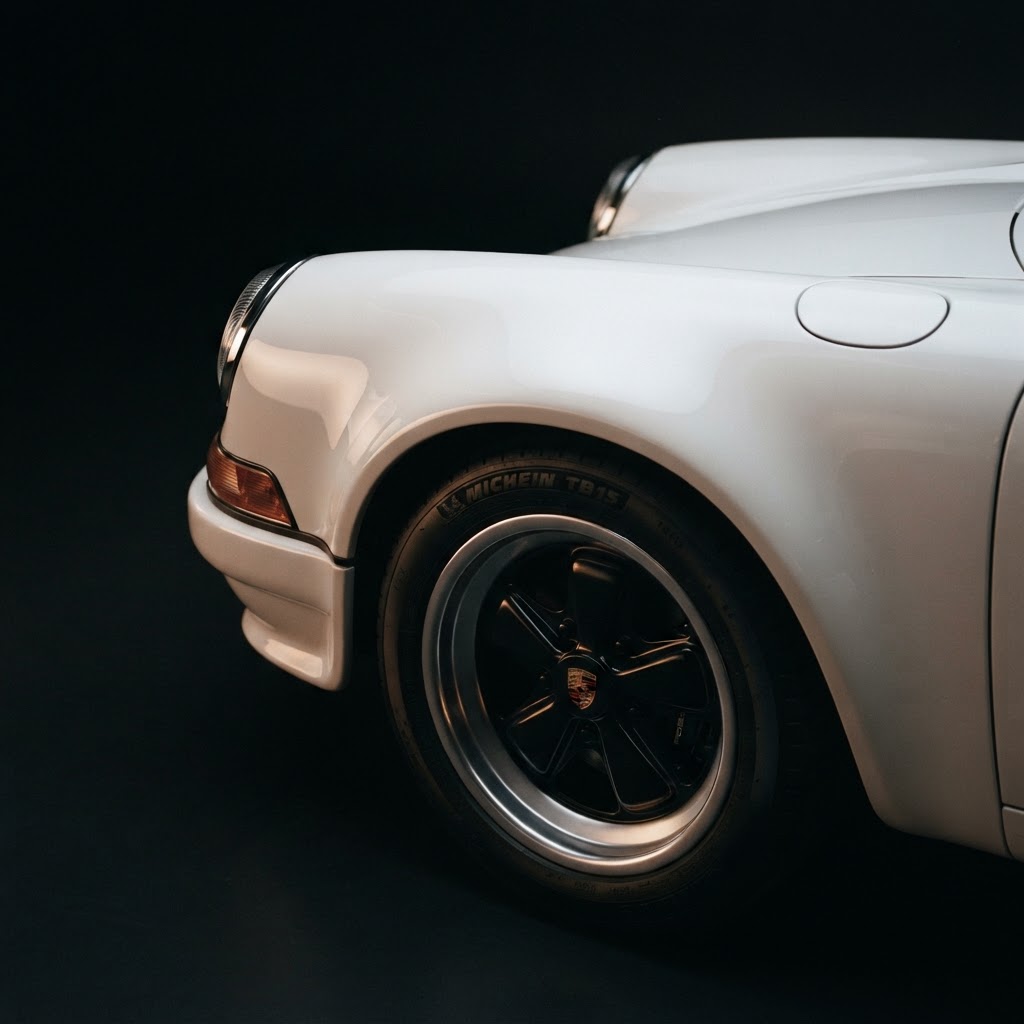
The 991-generation GT3 is one of the most usable and best-resolved 911s Porsche has built, and it remains the car most UK buyers step into when they want a modern, everyday-usable track weapon. Two distinct versions exist, the 991.1 (2014 to 2017) and the 991.2 (2017 to 2019), and they are different enough that you should understand both before you buy. All UK-supplied cars are right-hand drive.
The two cars
The 991.1 GT3 uses a 3.8-litre naturally aspirated flat six producing 475 hp, and it was sold only with the PDK paddle-shift gearbox. The 991.2 GT3 gained the 4.0-litre motor from the 911 R, producing 493 hp (500 PS), and it was offered with a proper six-speed manual as well as PDK. Both rev to 9,000 rpm. The 991.2 manual, in particular, is already regarded as a modern classic and trades at a premium on the UK market.
The engine generation and its known problems
This is the part of a 991 GT3 purchase that needs the most attention. The 991 GT3 moved away from the legendary Mezger engine that powered the 996 and 997 GT3 to a new generation of naturally aspirated flat six, and that new generation has had well-documented problems that every buyer should understand.
991.1 (3.8). Shortly after launch in 2014, Porsche issued a worldwide recall after connecting rod fastenings were found to be incorrectly tightened at the factory. In the worst cases the rod let go, the piston came through the block, and the car could catch fire. The fix was a replacement engine on affected cars, so the first check on any 991.1 is that the recall was completed and, ideally, to confirm which engine number is now fitted. Beyond the recall, the 3.8 has a known finger-follower concern in the valvetrain: wear or failure of the finger followers has been reported on higher-mileage and hard-tracked cars, and it is the reason many specialists recommend a borescope and an oil-sample check during a pre-purchase inspection.
991.2 (4.0). The 4.0 was recalled in 2018 for a connecting rod wrist pin concern on early cars. Confirm the recall was done or that the car post-dates the affected build range. The 4.0 is generally considered the more robust of the two, but the same rule applies: evidence of the recall and a clean diagnostic and oil history matter more than mileage.
Across the generation, also check:
- Rear main seal weep. A damp bellhousing is common and not alarming; an active drip is.
- Coolant pipe integrity. The 991 uses welded rather than glued coolant pipes, a relief versus the 996 and 997 generation, but inspect for weeping at the joints.
- Oil consumption. A GT3 will use some oil, especially when run hard, but rising consumption between services is a warning sign.
- Service frequency. A genuine low-mileage car with no oil change in two years is a worse buy than a 20,000-mile example that has been serviced annually. Porsche specifies an annual oil change regardless of mileage.
This engine generation is the reason a proper, specialist-led inspection is non-negotiable on a 991 GT3. See the buying advice below for how I handle it.
Transmission
PDK on the 991.1 is robust provided the box has been serviced. On any PDK car, ask for the clutch wear reading from a PIWIS diagnostic; under 5 per cent remaining is an imminent bill. The 991.2 manual is a delight and holds value better. Check clutch bite and synchro feel, especially second gear on a cold shift, and look for any slip under hard load.
What to look for specifically
- Centre-lock wheels. The 991 GT3 uses single centre-lock nuts. Check hub wear and that the correct torque procedure has been followed. Worn hubs are a costly fix and a sign of repeated, careless tyre changes.
- PCCB ceramic brakes. If fitted, assess disc thickness and edge lip. A set of PCCB discs is a four-figure bill per axle; many track drivers swap to steel for circuit use and keep the ceramics boxed.
- Front axle lift. Cycle it and listen for the pump; confirm it holds height. Especially relevant on UK speed humps and driveway entries.
- Bodywork and paint. Insist on a paint depth check. Many GT3s have had smart repair or a partial respray, particularly the nose and leading edges.
- Underbody. Stone chipping on the front splitter and undertray indicates track use. Not a problem, but a reason to negotiate.
- Tyres. Check the shoulders for heat-cycling and the rims for kerb damage.
- Provenance. A Porsche Classic Certificate of Authenticity confirms matching numbers and original specification. For a UK car, also check the V5C matches the VIN and the engine number now fitted.
Specification that holds value
- Sport bucket seats. The carbon 918-style buckets are the most desirable option and the most expensive to add later.
- Front axle lift system.
- PCM with Connect Plus.
- Carbon ceramic brakes (PCCB).
- LED headlights with dynamic cornering (991.2).
- Clubsport pack: roll bar, six-point harness, fire extinguisher, battery cut-off preparation.
- Sport Chrono Package.
A car with lift, buckets and PCM will be worth more and easier to sell on. A 991.2 manual with those boxes ticked is the long-term hold.
Colours
Porsche offered the usual palette plus a handful of GT3-specific shades. The desirable, sought-after colours are GT Silver Metallic, Carrara White, Miami Blue and the brighter tones such as Lava Orange and Carmine Red. These carry a premium and sell faster on the UK market.
The cheaper end of the market tends to be Black, Agate Grey and Basalt Black Metallic. All photograph well, but they are less loved on a GT3 and trade at a discount to the livelier colours. Racing Yellow is polarising: it looks right on a GT3 and some buyers will pay for it, but others walk away, so it is a gamble on resale. If you want the cheapest way in, a clean Agate Grey or Black car with the right spec is the value buy; if you want the easiest resale, hold out for GT Silver, White or one of the bright specials.
Buying advice
I will always outsource a pre-purchase inspection on a 991 GT3 to an independent Porsche specialist rather than carry it out myself, because the engine generation and the valvetrain need the eye of someone who lives with these cars every day. A specialist will pull the clutch-wear and recall data on a PIWIS, borescope the cylinders, sample the oil, check the finger followers, and read the centre-lock hubs and PCCB life. That single report is what tells you whether a car is a sound buy or a bill waiting to happen. Walk away from anything without a stamped or digital service record. The 991.2 manual with buckets and lift is the one to hold, but a clean, recalled-and-sorted 991.1 PDK is still the most accessible way into a modern GT3.
The specialists
For the real-world checks on a 991 GT3, speak to Copse Automotive. They are independent Porsche specialists based in Surrey - road and motorsport, straight-talking - and they know the GT3 inside out: the G-series rod issue, the valve-clearance question and the track-prep reality. A pre-purchase inspection with them, or a phone call before you travel, is the cheapest insurance on a 991 GT3 purchase - and they are the people to outsource the inspection to rather than trust the selling dealer.
Gallery